What Is an Automatic Watch? How Self-Winding Movements Work
Share
Short answer: an automatic watch is a mechanical watch that winds itself from the motion of your wrist. A weighted rotor swings as you move and tightens the mainspring, so there is no battery and no need to wind it daily. Wear it regularly and it keeps running; leave it for a day or two and it stops until you wind it or wear it again.
How does an automatic watch work?
Inside is a mainspring, a coiled metal spring that stores energy. A semicircular weight called a rotor is attached to the movement and spins freely whenever your arm moves. Each swing winds the mainspring a little. The spring then releases its energy slowly through a series of gears and a balance wheel, which swings back and forth at a steady rate and divides time into equal beats. That steady release is what moves the hands, and it is why an automatic watch has a smooth, sweeping second hand rather than the once-a-second tick of a quartz watch.
How long does an automatic watch run when you take it off?
That is called the power reserve. The Miyota 8215 used in several watches we stock is listed with a 41-hour power reserve, and the Seagull ST2557 in the SEAKOSS GMT with 40 to 45 hours. In practice that means a watch you wear daily will keep running, while one left in a drawer over a weekend may have stopped by Monday. Many automatics can also be wound by hand using the crown, which is useful for starting a stopped watch.
What are the advantages of an automatic watch?
You never replace a battery, you can watch the movement work through a see-through case back on many models, and a mechanical movement can be serviced and kept running for years. Many people simply enjoy the idea of a watch powered by their own movement.
What are the honest drawbacks?
Automatic watches are less accurate than quartz, usually drifting by seconds a day rather than seconds a month, and they are thicker and heavier because of the rotor. They need to be worn or wound to keep time, and the date and time need resetting after they stop. At the low prices we stock, you should also expect to pay for a service sooner than with a luxury brand, and some movements are replaced rather than repaired. We do not publish accuracy figures here because the supplier listings do not give them.
Which automatic watches does Wrist Logic stock?
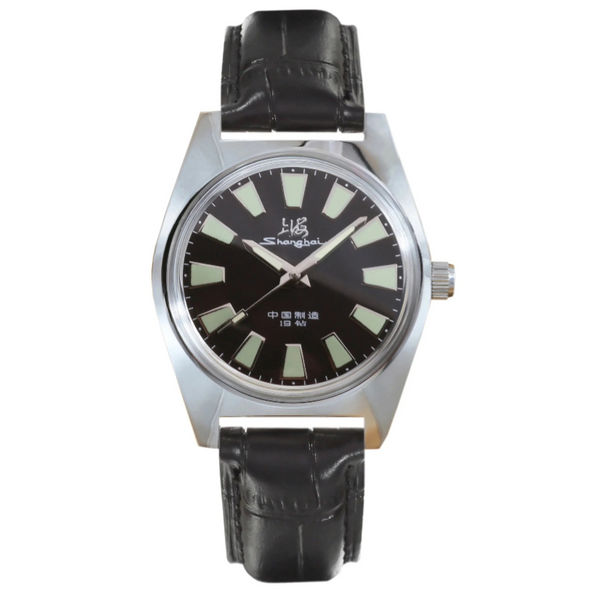
Entry-level automatics start at around $33, such as the skeleton engraved automatic and the LIGE moon phase automatic at about $49. Step up to a recognised movement and you get the ADDIESDIVE AD2536 with a Miyota 8215 at about $140, or the Sea-Gull 6075 dress watch at about $116. For how the popular movements compare, read our NH35 vs Miyota 8215 guide and our best automatic watches under $200.
Automatic watch FAQ
Do automatic watches need batteries?
No. They are powered by a mainspring wound by a rotor as you move.
Can you overwind an automatic watch?
Automatic watches are designed with a mechanism that stops winding at full tension, so wearing it normally and winding by hand gently is fine.
What happens if an automatic watch stops?
Wind it a few turns with the crown or wear it for a while, then reset the time and date.
Is an automatic watch better than quartz?
Neither is better in every way. Automatic suits people who like mechanical watches; quartz is cheaper, thinner and more accurate. See our guide to quartz versus automatic.
What is a hand-winding watch?
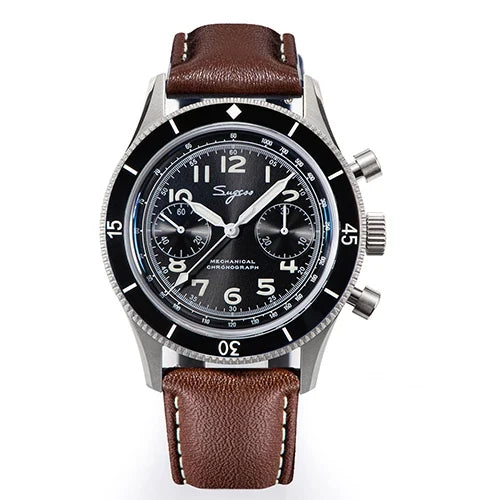
A mechanical watch with no rotor that you wind daily using the crown, such as the Seagull ST1901 in the Sugess S423 chronograph.
Specifications to look for
Movement: Automatic, self-winding
Power reserve: Around 40 to 45 hours on the movements we list
Beat rate: 21,600 vibrations per hour on the Miyota 8215 and Seagull ST2557
Hand winding: Supported on many models, check the product page
Case back: Many models have an exhibition case back
Confirm movement details against each product page before buying.